Plumbing · Grand Prairie, TX
Drain Cleaning in Grand Prairie, TX
Mister Plumber Grand Prairie coordinates drain cleaning for slow, gurgling, and fully clogged drains across Grand Prairie and the surrounding mid-cities — 15 years of local experience, with calls answered 24 hours a day. The coordinated teams clear everything from a single slow kitchen sink to a main line backing up into multiple fixtures at once, using snaking, hydro jetting, or camera-guided diagnosis depending on what's actually causing the clog.
Grand Prairie's drain problems trace back to how the city was built. Homes framed before the mid-1980s commonly still run cast-iron drain lines under the slab, and cast iron in this part of North Texas has a working life of roughly 40 to 80 years — meaning a meaningful share of the local housing stock is aging through the back half of that window right now. Mature trees planted decades ago in older Grand Prairie, nearby Arlington, and greater Irving neighborhoods send roots straight into those same clay and cast-iron sewer laterals looking for moisture, and the city's moderately hard purchased water, around 90 parts per million, leaves scale buildup that narrows pipe diameter over time.
A standard clog typically clears in 30 to 90 minutes and runs $150 to $500, while hydro jetting a heavier blockage or root mass takes 1 to 3 hours and runs $350 to $1,000. Main line drain cleaning generally takes 1 to 2 hours, and a sewer camera inspection to confirm what's actually going on inside the pipe takes 30 to 60 minutes and costs $150 to $500 on its own.
Every job starts with a real look at what's clogging the line, not a guess. Call (945) 239-2783 and the coordinated teams will diagnose the blockage, explain the options, and clear it the same visit in most cases.
What We Do
Our Drain Cleaning Services
A slow kitchen sink and a backed-up main line aren't the same job. Here's how the coordinated teams scope and clear each type of clog across Grand Prairie.
Hydro Jetting
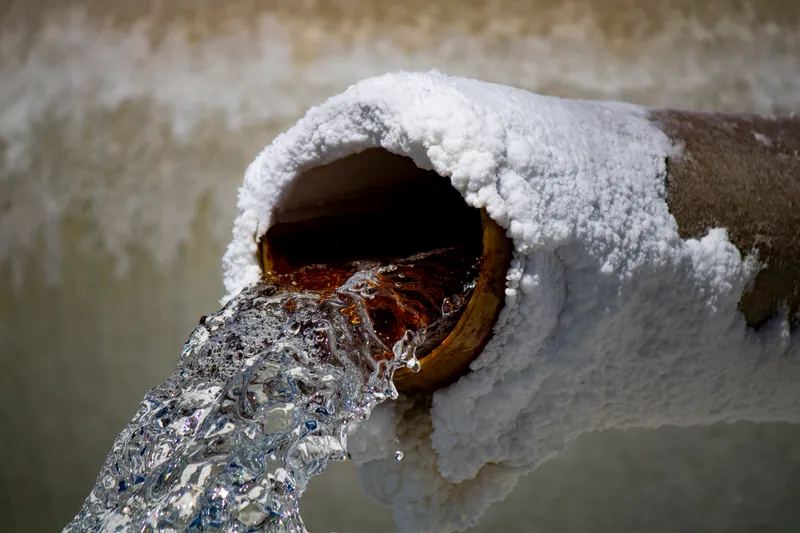
Hydro jetting uses a high-pressure water stream to scour the full interior wall of the pipe, breaking up grease buildup, mineral scale, and root intrusion rather than just punching a hole through the middle of the blockage the way a cable does. It typically runs $350 to $1,000 and takes 1 to 3 hours depending on how far into the line the buildup extends.
Because it clears the entire pipe diameter instead of a narrow channel, jetting tends to buy more time before the same drain clogs again — a real factor on lines that back up repeatedly.
Snaking / Augering
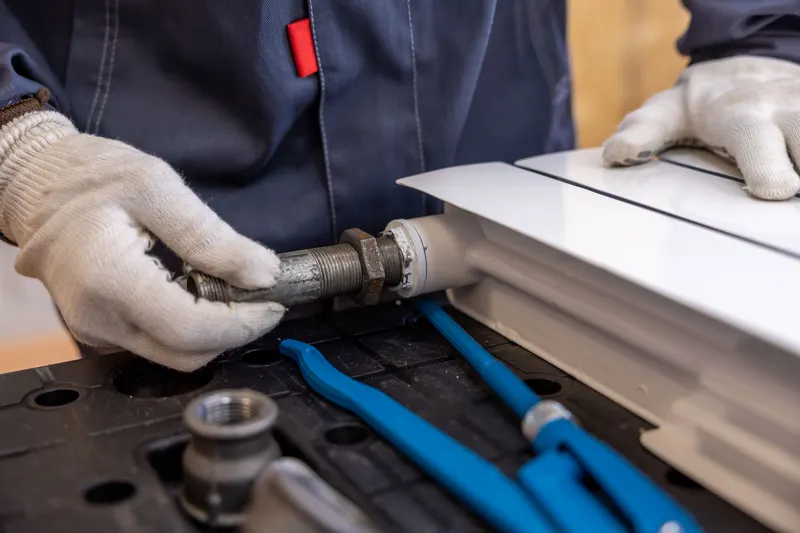
A drain snake or auger is the right tool for a straightforward single-fixture clog — hair, soap buildup, or an isolated blockage close to the drain opening — and clears in about 30 to 90 minutes for around $150 to $500. It's mechanical and targeted rather than a full-pipe clean.
For a clog that keeps coming back at the same fixture, snaking alone is often a temporary fix, and hydro jetting or a camera inspection is worth discussing before the same call gets made again next season.

Main Line & Kitchen Sink Drain Cleaning
A main line clog shows up as slow drains at multiple fixtures at once, or gurgling from a toilet when another fixture runs — a sign the blockage sits downstream of where individual lines join, and clearing it generally takes 1 to 2 hours. A single slow kitchen sink, by contrast, is usually grease and food buildup isolated to that one line and clears in 30 to 60 minutes.
Telling the two apart before quoting the job is part of what a proper diagnosis is for, rather than treating every clog the same way.
The Benefits
Hydro Jetting vs. Snaking — and Why the Difference Matters
The right method depends on what's actually in the pipe, how old it is, and what's clogged it before. Here's what shapes that decision on a Grand Prairie drain call.
Jetting Clears More, But Needs the Right Pressure on Old Cast Iron
Hydro jetting is highly effective against grease, scale, and root intrusion, but cast-iron lines from before the mid-1980s can be brittle or already thinning after decades in the ground, so pressure gets calibrated to the pipe's condition rather than run at a single default setting. A camera inspection first is standard practice on older cast iron specifically so jetting doesn't turn a slow drain into a cracked pipe.
Root Intrusion Is a Recurring Local Problem
Mature tree canopy in Grand Prairie's older neighborhoods and across nearby Arlington and Irving means roots regularly find their way into clay and cast-iron sewer laterals through joints and hairline cracks, and root intrusion removal typically takes 1 to 3 hours once located. Left alone, root masses keep growing and narrowing the line until a full backup forces the issue.
Hard Local Water Adds Scale on Top of Everything Else
Grand Prairie's purchased surface water runs moderately hard at roughly 90 parts per million, which the USGS classifies in the range where scale buildup in pipes and fixtures measurably accelerates. That scale narrows the usable pipe diameter over years, which is part of why a drain that cleared easily five years ago can clog faster today even without a new root or grease problem.
Why Us
Why Grand Prairie Chooses Us for Drain Cleaning
Fifteen years of clearing drains on North Texas's mix of aging cast iron and newer PEX means the right method gets picked the first time.
Camera Diagnosis Before Committing to a Method
A sewer camera inspection, typically 30 to 60 minutes, confirms whether a clog is grease, roots, scale, or a structural problem before deciding between snaking and hydro jetting — not after.
Maintenance Cadence, Not Just Emergency Clearing
Homes with mature trees or original cast-iron lines generally hold up best on an annual or biannual cleaning cadence rather than waiting for a full backup, and the coordinated teams can set that schedule during any visit.
Licensed Teams Working to Code
The plumbing teams coordinated for every drain cleaning call are fully licensed and insured under a Responsible Master Plumber registered with the Texas State Board of Plumbing Examiners, working to Uniform and International Plumbing Code standards on every job.
Not sure whether a slow drain is a simple clog or something bigger? A backup that keeps coming back, especially alongside a bad smell or slow drains at multiple fixtures, is worth checking against our sewer lateral work page, and a drain problem that shows up with no warning at 2 a.m. falls under a same-night emergency call instead. For the complete lineup of what gets coordinated across the Grand Prairie mid-cities, see our services — it's the same Grand Prairie plumbing team behind every drain call on this page.
Frequently Asked Questions
How much does drain cleaning cost in Grand Prairie?
A standard drain cleaning service for a single clogged fixture generally runs $150 to $500, while a heavier blockage or root mass that needs hydro jetting runs $350 to $1,000. The exact price depends on how far into the line the clog sits, whether it's a single fixture or a main line affecting several, and whether a camera inspection is needed first to confirm what's actually causing it. A written quote is presented before any work starts, so there's no guessing at the final number once the job is underway.
What's the actual difference between hydro jetting and snaking?
Snaking uses a mechanical cable to punch through and break up a blockage in a narrow channel, clearing the immediate clog in about 30 to 90 minutes for $150 to $500. Hydro jetting uses high-pressure water to scour the entire interior wall of the pipe, removing grease, scale, and root material rather than just opening a path through it, which takes 1 to 3 hours and runs $350 to $1,000. Snaking is usually the right call for a simple, isolated clog, while jetting is the better long-term fix for a line that keeps clogging in the same spot.
Is hydro jetting safe for old cast-iron pipes?
It can be, but it needs to be done carefully — cast-iron drain lines installed under Grand Prairie-area slabs before the mid-1980s are now 40 or more years old, and decades of scale and corrosion can leave a pipe thinner or more brittle than it looks from the outside. A camera inspection first lets the pressure be calibrated to what the specific pipe can actually handle, rather than applying a single default setting to every line regardless of age or condition. Skipping that step on genuinely deteriorated cast iron is how a slow drain turns into a cracked pipe.
How do tree roots get into my sewer line, and how is that fixed?
Roots grow toward moisture, and a sewer lateral carrying wastewater is a reliable moisture source, so roots work their way in through pipe joints or hairline cracks in clay and older cast-iron lines — common in Grand Prairie's mature, tree-lined older neighborhoods and similarly in nearby Arlington and Irving. Once inside, a root mass keeps expanding and narrowing the usable pipe diameter until it causes a full backup if left alone. Root intrusion removal typically takes 1 to 3 hours once the location is confirmed, usually with hydro jetting or mechanical cutting depending on how established the roots are.
How often should drains be professionally cleaned as maintenance?
A home on newer PEX plumbing with no mature trees nearby can often go several years between professional cleanings and rely on routine care instead. A home with original cast-iron drain lines from before the mid-1980s, or with large trees near the sewer lateral, generally holds up better on an annual or biannual cleaning schedule, since that catches scale and early root growth before it causes a backup. The right interval really depends on the home's pipe material, age, and landscaping, which is something worth discussing on a first visit.
How do I tell a simple clog apart from a bigger sewer line problem?
A single slow drain at one sink or tub is usually an isolated, localized clog close to that fixture. Slow drainage at multiple fixtures at once, gurgling from a toilet when the washing machine drains, or sewage smell near a floor drain all point toward a main line problem further downstream instead of something local. The bigger-problem pattern generally calls for a camera inspection to see exactly what's happening inside the line before deciding on snaking, jetting, or a more involved repair.
Can hard water make my drains clog faster?
Yes — Grand Prairie's purchased surface water runs moderately hard at roughly 90 parts per million, within the range the USGS identifies as where mineral scale buildup in pipes and fixtures measurably accelerates. That scale coats the interior of drain lines over years, gradually narrowing the usable diameter so the same amount of grease or debris clogs the pipe faster than it would in a newer or scale-free line. It's a slow, cumulative factor rather than a single dramatic cause, which is part of why some homes clog more often than their neighbors.
Do you use a camera to inspect drains before cleaning them?
Yes, and it's standard practice rather than an upsell. A sewer camera inspection takes about 30 to 60 minutes and runs $150 to $500 on its own, and it shows exactly what's inside the line — grease, scale, roots, a collapsed section, or a simple isolated clog. That confirms which method actually fixes the problem instead of guessing between snaking and hydro jetting, and it's especially useful before jetting older cast-iron lines where pressure needs to be calibrated to the pipe's real condition.
My kitchen sink keeps clogging — is that different from a main line clog?
Usually, yes. A kitchen sink that clogs repeatedly is almost always grease, food particles, or soap buildup isolated to that one branch line, and it typically clears in 30 to 60 minutes of snaking or jetting focused on that section. A main line clog instead affects several fixtures at once — slow drainage in more than one sink, tub, or toilet simultaneously — because the blockage sits downstream of where individual branch lines converge. Confirming which one it is before quoting the job avoids paying for a bigger fix than the problem actually needs.
Will drain cleaning fix a slab leak or a bigger foundation-related plumbing issue?
No — drain cleaning clears a physical blockage inside a pipe, while a slab leak is a break or crack in a supply or drain line running under the foundation, often driven by Grand Prairie's expansive clay soil shifting the slab over time. The two can look similar from the surface, since both can produce damp spots or unexplained water use, but they need different diagnostic tools and different fixes. If a technician suspects a slab leak rather than a simple clog during a drain visit, that gets flagged and discussed separately rather than treated as more of the same job.
Do I need a permit for routine drain cleaning in Grand Prairie?
No — clearing an existing clog through snaking, jetting, or camera inspection is routine maintenance and doesn't require a Building Inspections permit the way new plumbing installation or a pipe replacement does. If a drain cleaning visit uncovers a collapsed line, a break, or a section that needs to be replaced rather than cleared, that follow-up repair work is what triggers Grand Prairie's permit and inspection requirement. The coordinated teams flag that distinction clearly before any repair work beyond cleaning begins.
Get Your Drains Cleared Today
Slow sinks, gurgling toilets, backed-up main lines — call (945) 239-2783, answered 24 hours a day.
Call (945) 239-2783