
Plumbing · Grand Prairie, TX
Sewer Line Repair in Grand Prairie, TX
Mister Plumber Grand Prairie coordinates sewer line repair and replacement for homeowners across Grand Prairie, Arlington, Irving, and Mansfield — 15 years of local coordination, with calls answered 24 hours a day. A failing sewer line rarely announces itself with a single dramatic event; it shows up as a slow drain that won't clear with a plunger, a gurgle from the toilet when the washing machine drains, a sewage smell in the yard, or — once the line has actually collapsed or split — a backup coming up through the lowest drain in the house. Call (945) 239-2783 and a coordinated technician can usually get a camera inspection scheduled the same day.
Grand Prairie's sewer lines fail for a specific, local reason. The city sits on montmorillonite-rich expansive clay that swells hard when saturated and shrinks through the long North Texas summer, and that heave-and-drop shears the joints on cast-iron drain lines running under the slab — the material DFW builders used for under-slab sewer runs into the mid-1980s. Because Grand Prairie's population grew from 1,595 in 1940 to 196,100 by 2020, homes on cast iron sit right alongside newer PVC and ABS-era construction, so a camera inspection in one neighborhood can turn up a completely different pipe generation than the next street over.
This page covers sewer line repair and replacement specifically — camera-confirmed diagnosis and fixing a compromised main line, whether the cause is a sheared joint, a collapsed section, or root intrusion. A slow-draining sink or a single clogged line that clears with cleaning is routine drain clearing, not a sewer line job; and a leak that turns out to be a supply line under the slab rather than the drain line belongs on the slab-leak detection page. Sewer line repair is its own scope, and it's the one this page is built around.
A sewer line call runs the same sequence every time: run a camera down the line to see exactly what's wrong and where, quote the fix in writing — trenchless or open trench — then do the work to code. Grand Prairie requires an approved Building Inspections permit for this work, with a rough-in and final inspection before it's signed off, and the plumbing teams coordinated here pull that permit and schedule both inspections as standard practice.
What We Do
Our Sewer Line Repair Services in Grand Prairie
Not every sewer problem needs the yard dug up, and not every sewer line failure has the same cause. Here's how the coordinated teams scope each type of call.
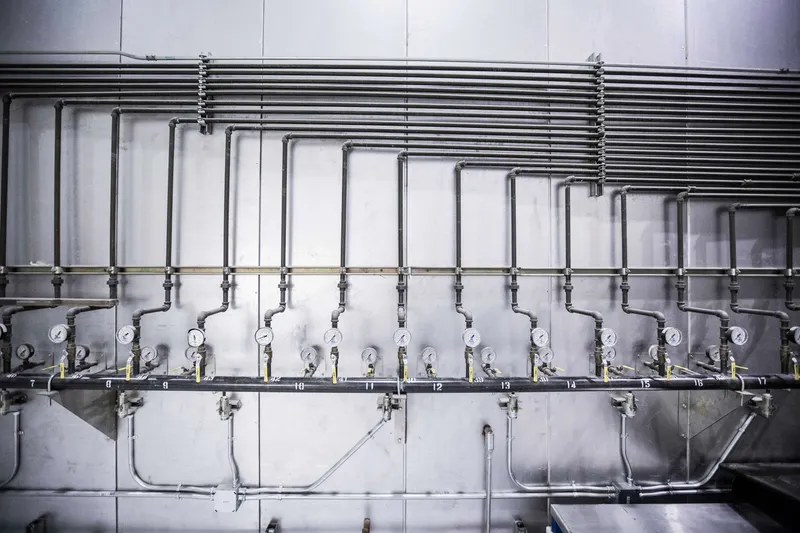
Sewer Line Camera Inspection
A sewer camera inspection typically runs $150 to $500 and takes 30 to 60 minutes, feeding a waterproof camera down the line to show exactly where a break, sag, root intrusion, or sheared joint sits before anyone digs or bores anything.
That footage is what turns a guess into a targeted repair, and it's also the documentation worth having on hand before buying an older Grand Prairie or Arlington home with a sewer line that hasn't been inspected in years.

Trenchless Sewer Repair & Replacement
Trenchless repair or replacement — pipe bursting or a cured-in-place liner pulled through the existing line — typically runs $4,000 to $15,000 or more and takes 1 to 2 days, versus 2 to 5 days for a traditional open-trench dig covering the same run. Trenchless work avoids tearing up a full yard, driveway, or foundation planting bed to reach the line, which matters most on lots where the sewer run crosses under mature trees or hardscaping.
Not every line qualifies — a badly collapsed or misaligned section sometimes still needs open excavation — but where the pipe's condition allows it, trenchless is usually the faster, less disruptive option.

Tree Root Intrusion Removal
Root intrusion typically takes 1 to 3 hours to clear once located, as roots work into a joint or hairline crack seeking the moisture inside a sewer line and gradually choke the pipe's diameter until it backs up. It's especially common in Grand Prairie's and Arlington's mature, established neighborhoods, where decades-old trees sit directly over aging cast-iron or clay runs.
Clearing the roots is often only half the fix — if a camera inspection shows the joint or crack that let the roots in to begin with, that section usually needs repair too, or the same roots find their way back in a season or two.
The Benefits
Why Sewer Line Diagnosis Looks Different on Grand Prairie's Clay
A sewer line here is fighting the same soil that moves every foundation in the mid-cities. Getting the diagnosis right before digging is what keeps a repair a repair instead of a bigger project.
Built Around Grand Prairie's Expansive Clay
The montmorillonite-rich clay under Grand Prairie and neighboring Arlington swells hard when saturated and shrinks through a dry summer, and that constant movement shears the joints on cast-iron sewer lines run under the slab — the standard material for under-slab sewer runs here into the mid-1980s. A camera inspection reads exactly where that movement has separated a joint or cracked a section before any excavation starts.
Matched to the Pipe Generation in the Ground
Irving homes built from the 1960s through the 1980s commonly still run original cast-iron sewer lines with a typical 40-to-60-year lifespan, putting much of that stock at or past end of life today, while newer PVC and ABS-era construction elsewhere in the metro fails for entirely different reasons. Knowing which pipe generation is in the ground changes both the repair method and what to expect from the rest of the line.
Trenchless Options That Skip the Full Dig
Where the line's condition allows it, trenchless pipe bursting or lining repairs a compromised run in 1 to 2 days without tearing out a full trench across the yard, driveway, or foundation planting bed. That matters most in established neighborhoods where mature trees and finished landscaping sit directly over the line.
Why Us
Why Grand Prairie Chooses Us for Sewer Line Repair
Fifteen years of coordinating sewer line work on the mid-cities' toughest soil means the camera goes down the line before anything gets dug up.
Camera-Confirmed Diagnosis, Not a Guess
Some outfits quote a full replacement off a description over the phone. The teams coordinated here run a camera down the line first on every sewer call, because a confirmed break, sag, or root intrusion turns into a targeted repair while a guess turns into an oversized trench and a bigger bill.
Permitted and Pressure-Tested to Code
Grand Prairie requires an approved Building Inspections permit for residential sewer line work, with a rough-in inspection and a final inspection before the job is signed off. The plumbing teams coordinated here pull that permit and schedule both inspections as a matter of course, not an extra step tacked on later.
Licensed, Insured Teams Under a Responsible Master Plumber
The plumbing teams coordinated here are fully licensed and insured, working under a Responsible Master Plumber registered with the Texas State Board of Plumbing Examiners, to Uniform and International Plumbing Code standards. That licensing structure is what lets a permit get pulled and a sewer line repair get signed off by the city.
Not sure whether the problem is the sewer line or something simpler? A single slow drain that clears with cleaning is a quick drain-clearing job rather than a sewer line repair, and warm spots or a spinning meter with the drain line ruled out points to the leak-detection survey page instead. For the full list of what gets coordinated across Grand Prairie, greater Arlington, and Irving, see the complete service list — it's the same Grand Prairie plumbing teams behind every job on this page.
Frequently Asked Questions
What are the signs I need sewer line repair?
A slow drain that won't clear with a plunger or a single snaking, a gurgling sound from the toilet when another fixture drains, a sewage smell in the yard, and unusually green or soggy patches of grass over the line's path are the most common warning signs before a full collapse. Once a line has actually failed, backups typically show up first at the lowest drain in the house — a basement floor drain or ground-floor shower — since it's the first fixture the sewage has nowhere else to go but up through. Any combination of these is worth a camera inspection before it becomes a full backup.
How much does sewer line repair cost in Grand Prairie?
A camera inspection to diagnose the problem runs $150 to $500 and takes 30 to 60 minutes. From there, trenchless repair or replacement — pipe bursting or a cured-in-place liner — typically runs $4,000 to $15,000 or more depending on the length and depth of the run, while a traditional open-trench replacement covering the same distance can run a comparable or higher range once excavation, landscaping, and driveway or hardscape repair are added in. The camera footage is what determines which method applies and gives a firm number instead of a phone guess.
How long does sewer line replacement take, and will my yard get dug up?
Trenchless replacement typically takes 1 to 2 days and avoids digging a continuous trench, working instead through a small access pit at each end of the run. A traditional open-trench replacement covering the same distance takes 2 to 5 days and does mean excavating the yard, driveway, or landscaping directly above the line, followed by backfill and surface repair. Whether trenchless qualifies depends on the pipe's condition and the layout of the run — a badly collapsed or misaligned section sometimes still needs the open dig regardless of preference.
What's the difference between trenchless and traditional open-trench sewer repair?
Trenchless repair uses pipe bursting or a cured-in-place liner pulled through the existing line from two small access points, taking 1 to 2 days and $4,000 to $15,000 or more without tearing up the yard along the full run. Traditional open-trench replacement digs up the ground directly above the line for its entire length, taking 2 to 5 days, and is sometimes the only option when a section is badly collapsed, severely misaligned, or the access points trenchless needs aren't available. The camera inspection is what determines which method actually applies to a given line.
Why does Grand Prairie have so many cast-iron sewer line failures?
DFW builders ran cast-iron sewer lines under slab foundations into the mid-1980s, and Grand Prairie grew from 1,595 residents in 1940 to 196,100 by 2020, so a large share of the city's housing sits on that exact pipe generation today. Grand Prairie's montmorillonite-rich expansive clay swells hard when saturated and shrinks through the summer, and that constant heave-and-drop shears the joints on cast-iron pipe the same way it stresses everything else running through the slab. It's less a manufacturing flaw than decades-old pipe meeting soil that never stops moving underneath it.
Is hydro jetting safe to use on an old cast-iron sewer line?
Hydro jetting is generally safe on cast iron that's still structurally sound, since it clears grease, roots, and buildup with pressurized water rather than a cutting blade. A line that's already cracked, badly corroded, or has separated joints can be damaged further by that pressure, which is exactly why a camera inspection comes before jetting on any older line. If the pipe is compromised, the fix is repair or replacement rather than jetting, which is covered separately on the [snaking and jetting](/drain-cleaning) page for lines that just need routine clearing.
How does tree root intrusion happen, and why is it worse in older neighborhoods?
Roots grow toward the moisture and nutrients inside a sewer line and work into any joint gap, hairline crack, or sheared connection they can find, then expand inside the pipe until they choke its diameter and cause a backup. It's especially common in Grand Prairie's and Arlington's established neighborhoods, where decades-old trees have had years to grow directly over aging cast-iron or clay runs. Clearing the roots typically takes 1 to 3 hours, but if the joint or crack that let them in isn't repaired, the same roots usually find their way back within a season or two.
Do I need a permit for sewer line repair in Grand Prairie?
Yes. The City of Grand Prairie requires an approved Building Inspections permit for residential plumbing work, and sewer line repair or replacement falls under that rule since it involves the plumbing system regardless of whether it's a spot repair or a full line replacement. Permitted work gets a rough-in inspection and a final inspection before it's signed off, both scheduled by the plumber, and skipping the permit exposes both the plumber and the homeowner to enforcement action. Arlington, Irving, and Mansfield each run their own separate city permitting for sewer work inside their limits.
How is a sewer line backup different from a slab leak?
A sewer line backup is a drain-line problem — wastewater with nowhere to go, usually showing up as a backup at the lowest drain, gurgling fixtures, or a sewage smell — while a slab leak is a supply-line problem, showing up as a warm spot on the floor, a spinning water meter, or an unexplained bill jump. Both can be caused by the same expansive clay movement working a slab foundation, but they need different diagnostic equipment and different fixes. If the signs point to a supply-side leak rather than a drain backup, that's covered on the [slab-leak survey page](/leak-detection) instead.
Will my homeowners insurance cover sewer line repair?
Coverage varies widely by policy — many standard homeowners policies exclude sewer line failure from normal wear, tree root intrusion, or ground movement unless a specific sewer line or service line endorsement was added, while a sudden backup that damages the home's interior is more often covered under water damage provisions. Water damage and freezing claims already account for 22.6% of homeowners claims nationally, averaging around $15,400, which is part of why some insurers offer sewer line riders separately. We'd recommend checking the specific policy language or calling the insurer directly before assuming what's covered.

Get Your Sewer Line Camera-Inspected and Fixed
Trenchless or open trench, permitted and code-compliant. Call (945) 239-2783, 24 hours a day.
Call (945) 239-2783